(RTL) Rebuilding to Last
Rebuilding to Last is a pioneer project, striving to inspire independent cultural centres to revisit their relationship with nature, with their communities and spaces within their walls, in their courtyards and beyond.
Rebuilding to Last is a pioneer project, striving to inspire independent cultural centres to revisit their relationship with nature, with their communities and spaces within their walls, in their courtyards and beyond.
To wrap up the project and celebrate our achievements, we gathered in Helsinki on 1-2 October 2024. Joined by inspiring thinkers and practitioners we reflected upon our relationship with the eco-systems surrounding us, especially in the light of climate crisis.
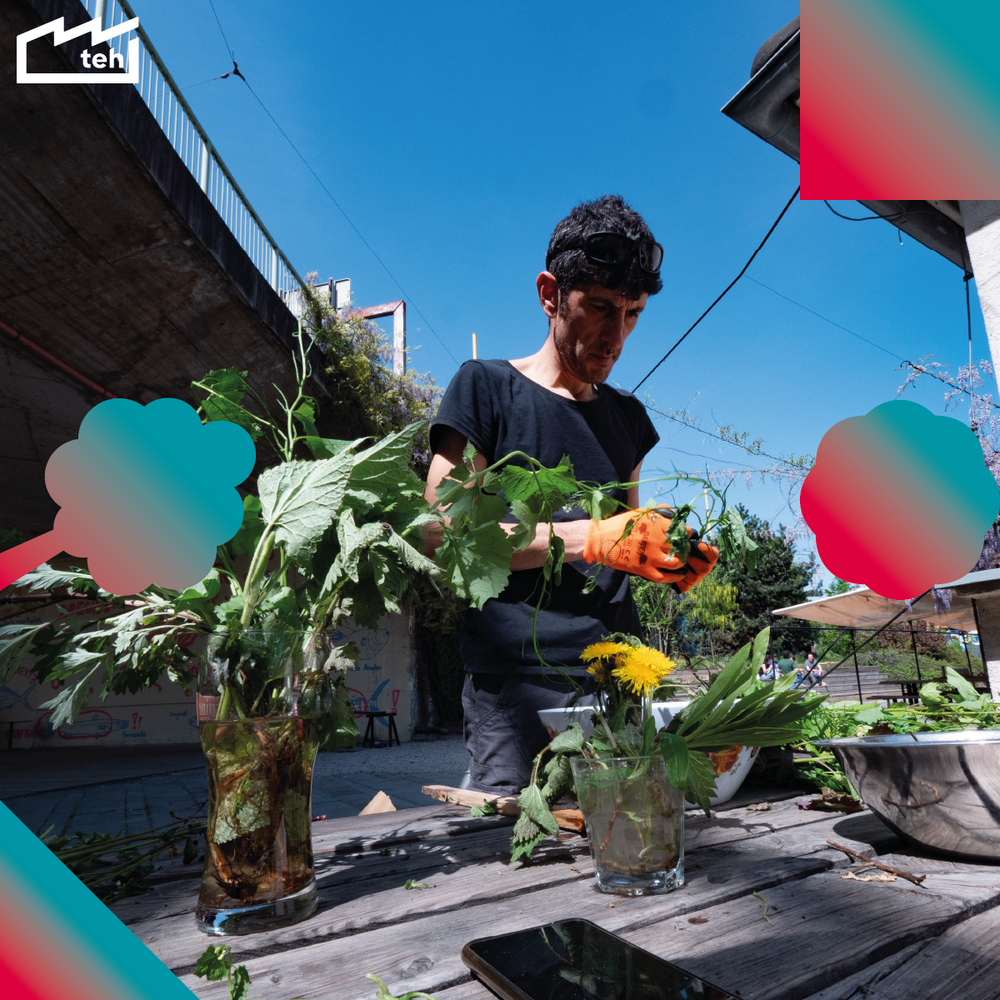
Humans tend to exercise control over other living organisms, and have long used their knowledge and technological advances to push away forests, rivers, animals. Our cities have turned into enclosed places where other living beings are strictly supervised and policed: 'unwanted' or deemed 'harmful' species are driven away. No diversity or spontaneity present in nature is allowed in our modern-day societies.
Housed in spaces of abandonment, TEH members very much like unsupervised plants open up the possibility of spontaneous encounters. They spring out in the areas of 'neglect' and often bring necessary alternative to mainstream discourse. They become refuge for those feeling unseen, unheard or simply unwanted in the city.
Embracing this correlation, we turned to the knowledge of TEH members and their open-mindness to prototype our ideas of co-existence and to create a clear roadmap for others to follow.
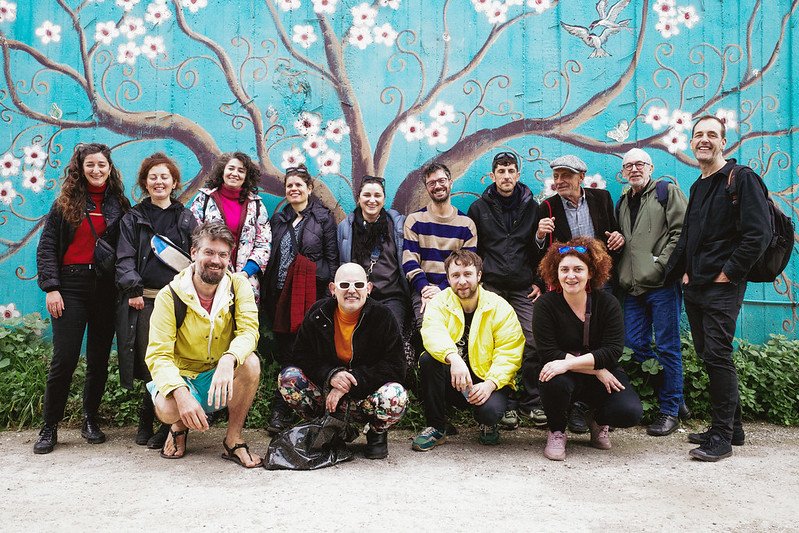
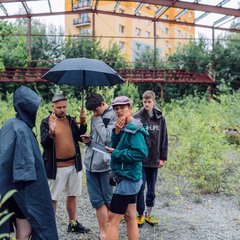
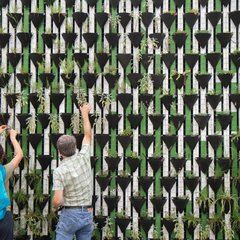
Together with three non-governmental cultural centres in Slovakia, Denmark and Greece, we tested our ideas and explored possibilities of coexistence within their eco-systems. Having Identified context-specific challenges, we co-designed solutions embracing what we usually overlook to create welcoming spaces for all living beings.
What if gentrification holds an opportunity?
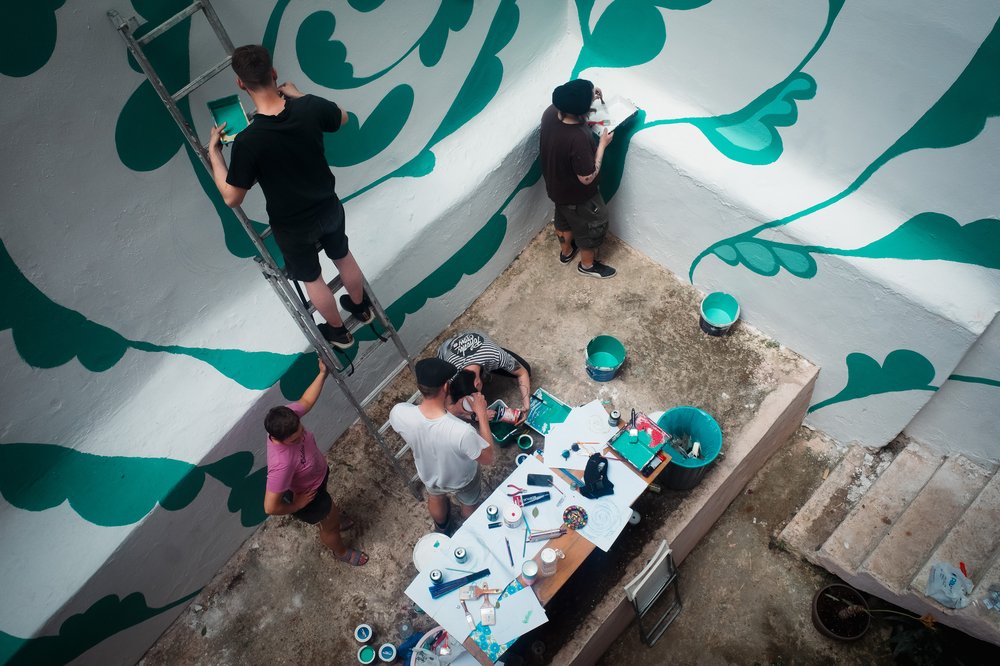
Communitism is an independent cultural centre from Metaxourgeio, a neglected neighbourhood in Athens. After being expelled from their previous cultural centre of 6 six years, Communitism is setting up a new space, titled Kookooli, to nurture their vision and mission. We used this transitional moment for the centre to experiment with new practices of reusing materials and spaces. And to build a foundation to create a space that welcomes, includes and bridges social gaps.
What if puddles were also an opportunity to welcome the diversity of life that we usually push away?
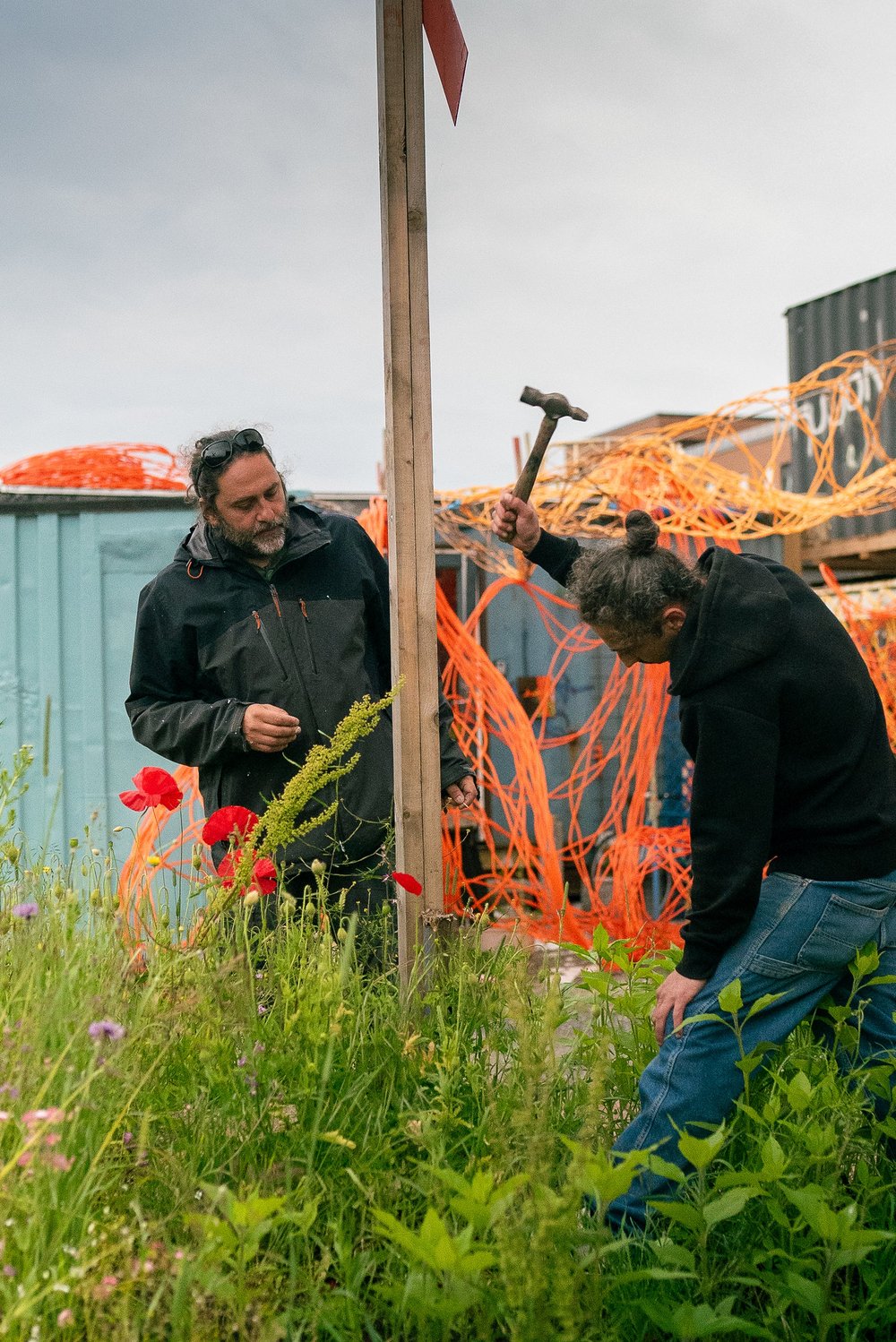
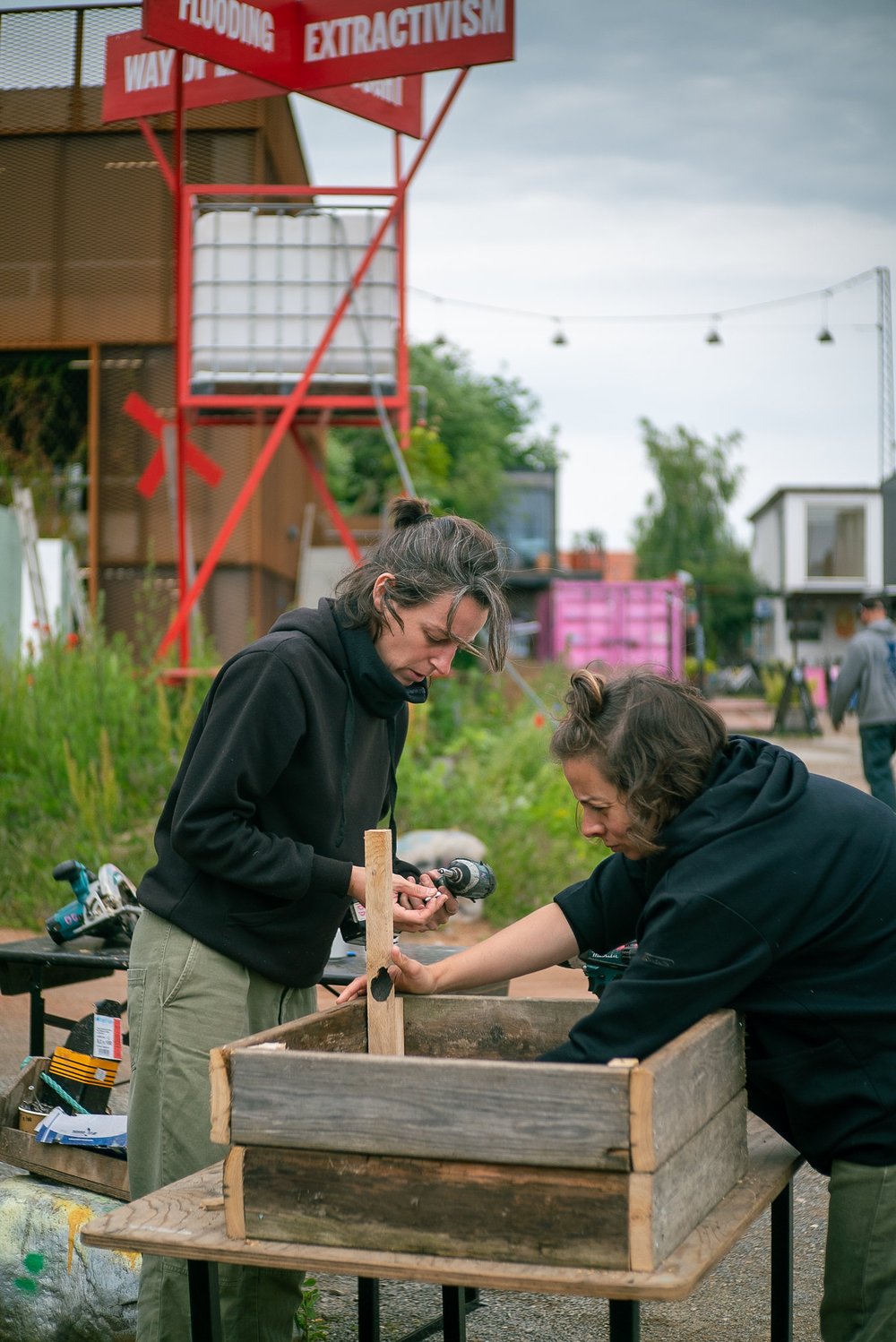
Institut for (X) in Aarhus, Denmark is a small spontaneous settlement at the back of the abandoned railway station. It lies in the lowland, welcoming unwanted water from all corners of the city. Here we experimented how abundance of water can be used to imagine a 'new city' - amphibious, welcoming
and open to change.
What if weeds were our best friends?
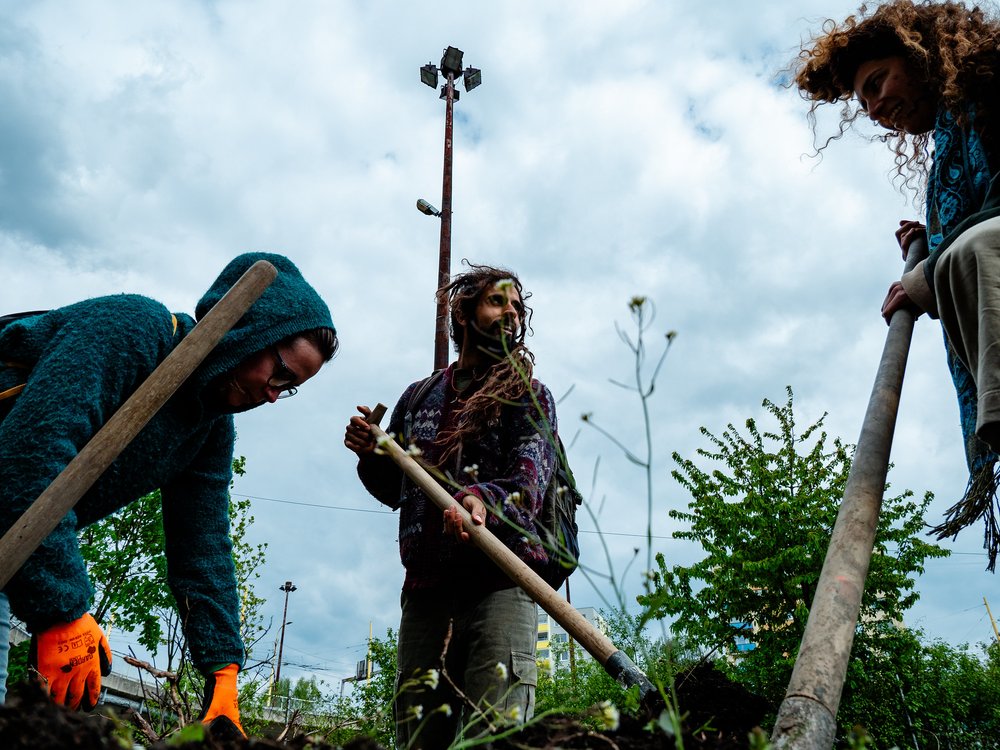
Stanica - the railway station abandoned for years - is today a vibrant independent cultural centre. Tucked away underneath a major motorway junction, the station is one of the many third places that team along the endless concrete infrastructure. It welcomes artists, castaways and so-called weeds. Using the water collected from the bridge, we will explore how to help pioneering plants to transform deserted spaces into places open to coexistence of living beings.

The project is funded by the Creative Europe programme of the European Union (Mid-scale Cooperation Project).
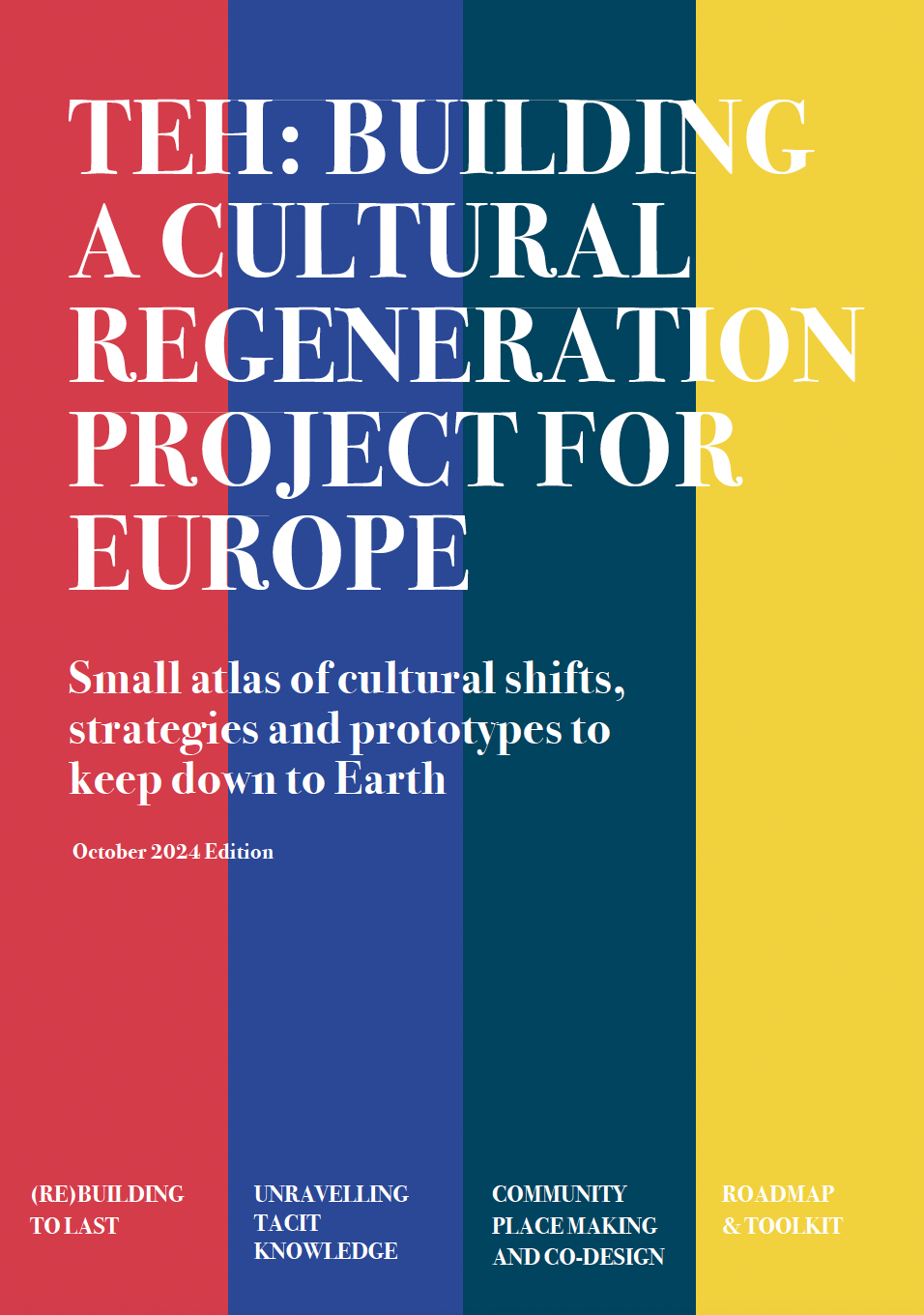
We are happy to share our philosophy, learnings and observations in the form of the book, titled TEH: Building A Cultural Regeneration Project for Europe.
A four-dimensional publication that combines an in-depth examination of expertise of independent cultural centres in ecological renovations with a hands-on manual for cultural workers on how to make their spaces and communities more in balance with ecosystems they are part of.
A set of 11 online courses tackling diverse topics related to environmental sustainability, from upcycling of materials to co-existence and humans and non-humans relationship.
All classes are free, self-paced and offer a great mix of theory paired with examples of existing practices among TEH members.
 Full member
 Full member
 Full member
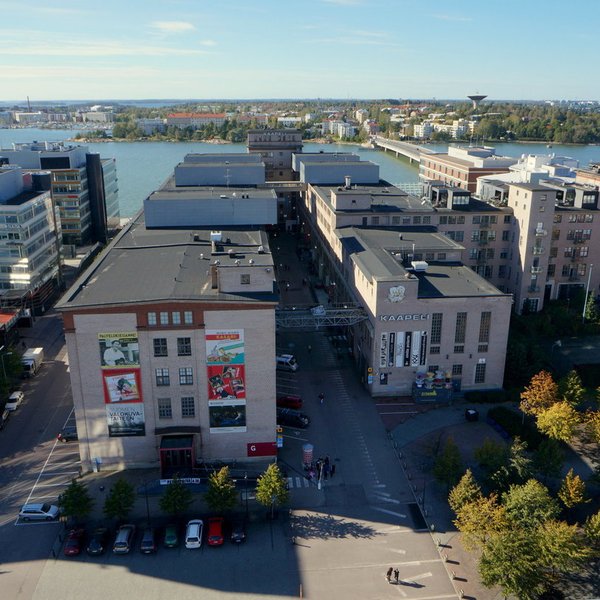 Full member
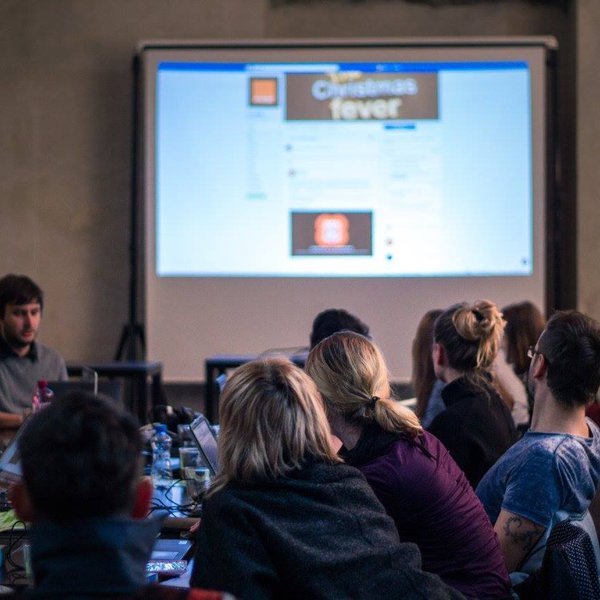 Associate member
 Full member
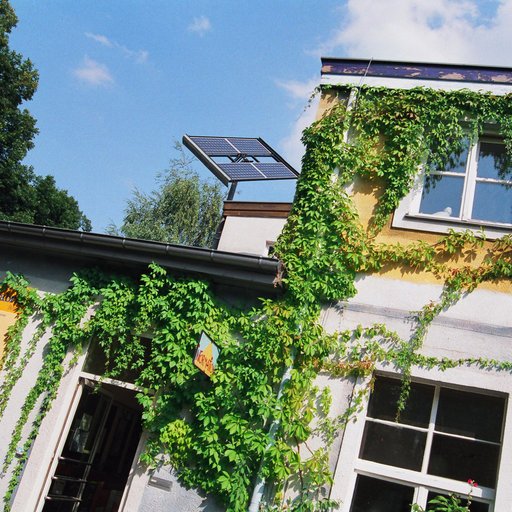
ufaFabrik Starting as a squat in 1979, the ufaFabrik today is a green cultural oasis in Tempelhof, Berlin – a space for creation, culture, sustainability and innovative ideas. …
View profile Full member
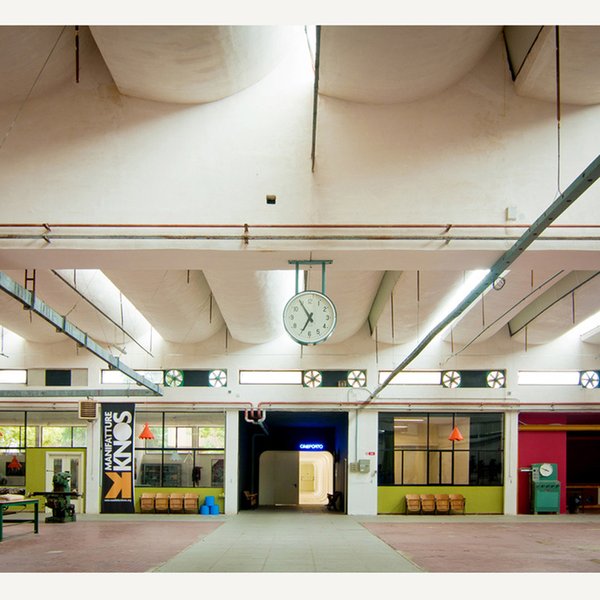
Manifatture Knos Manifatture Knos is a constantly developing cultural and social experiment born from the restoration of an old engineering training school that had previously been abandoned for …
View profile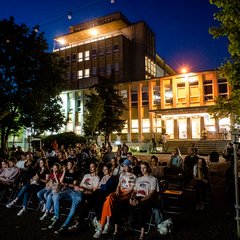 Full member
Nová Cvernovka Nová Cvernovka is a cultural and creative center operated by the Cvernovka Foundation. Located on the premises of a former chemical school in Bratislava in the …
View profile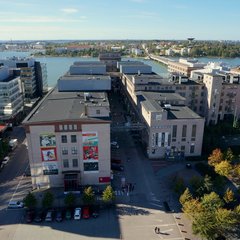 Full member
Cable Factory / KaapelitehdasCable Factory / Kaapelitehdas occupies the premises of an old factory which initially produced telephone and electrical cables. The Cable Factory project began in 1991 …
View profile Associate member
Anténa – network for independent cultureAnténa is a network of cultural centres and organisations that operates in the field of independent arts and culture in Slovakia.They develop their …
View profile